


Ottoman Cuisine
A Symphony of Imperial Flavors
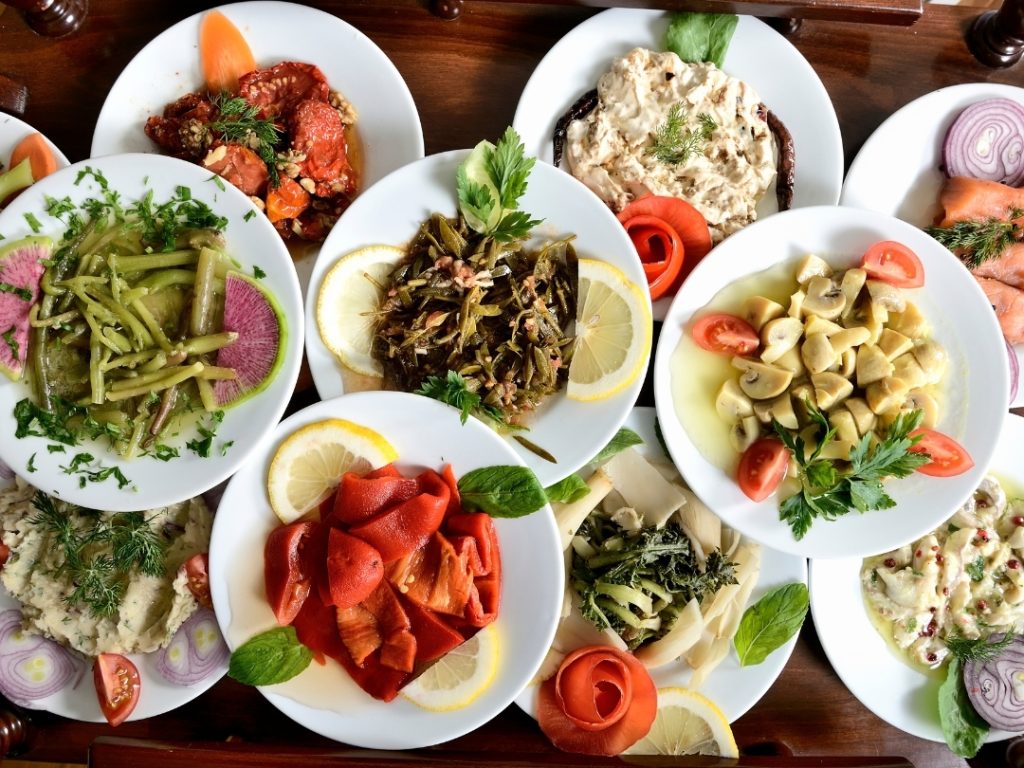
Ottoman cuisine is the ultimate culinary bridge between the Mediterranean, the Balkans, and the Middle East. Refined for centuries within the walls of Topkapı Palace, it is a gastronomy defined by the sophisticated balance of sweet and savory, the use of rare spices, and the meticulous preparation of the Matbah-ı Amire (Imperial Kitchen). At Ottoman Cuisine, we preserve the authentic heritage of the Sultan’s table, offering a window into a world where every ingredient was a symbol of power, and every dish was a work of art.

Did you know that Ottoman Palace cuisine was a master of "sweet-savory" fusion centuries before modern gastronomy? Dishes like *Mutancana* combined succulent lamb with dried apricots, figs, and plums, balanced with the delicate aroma of honey and vinegar, creating a sophisticated palate that symbolized the Empire's vast geography.
Enrich Your Exploration

Four Seasons:
Bosphorus, Perfected


Garenta: Discover More of Istanbul
the landmarks; experience the
real city. Garenta offers the freedom to discover Istanbul's hidden treasures at your own pace.

The Essence of Imperial Taste
Every dish served at the Sultan’s table was crafted with rare and symbolic ingredients. Explore the fundamental elements that define the Ottoman flavor profile.


Hünkar Beğendi: "The Sultan Liked It"
Discover the story of the most celebrated dish in the imperial repertoire—a smoky eggplant purée crowned with tender slow-cooked lamb.

Journey with Confidence
Acıbadem Hospitals Group: Global Excellence in Healthcare
While you immerse yourself in the rich history of Istanbul, your well-being is protected by a future-focused healthcare leader. Acıbadem provides world-class medical services, from comprehensive health screenings to advanced treatments, all delivered with a commitment to your safety and comfort.
Travel with the assurance that you and your loved ones are in the most capable hands.

From the Palace to the People: Exploring Turkish Cuisine
The imperial kitchen was the heart, but the soul of Turkish food flows through every region of Anatolia. Explore our master guide to the broader world of Turkish gastronomy.
FAQ: Frequently Asked Questions about Ottoman Cuisine
What is the main difference between Ottoman and modern Turkish cuisine?
Ottoman cuisine was a highly refined “fusion” of the empire’s vast territories, characterized by more complex spice profiles (like cinnamon and cloves in savory dishes) and the frequent use of fruits with meat—a tradition that is less common in contemporary Turkish home cooking.
Why was honey and fruit so common in savory Ottoman dishes?
This was a symbol of sophistication and wealth. Combining dried fruits like apricots and figs with meats provided a balanced acidity and sweetness that helped preserve the food and added a luxurious depth to the flavor profile.
Did the Ottoman Sultans eat together with their families?
Traditionally, no. Following the era of Mehmed the Conqueror, the Sultans typically dined alone in their private quarters for security and to maintain imperial prestige. Their meals were meticulously prepared and tasted by the Çeşnigirbaşı (Master Taster) before being served.
What was the role of Sherbets in the imperial diet?
Sherbets were not just drinks; they were medicinal and social rituals. Infused with flowers, herbs, and fruits (like hibiscus, tamarind, or rose), they were served chilled to aid digestion and offer refreshment in the palace’s formal gatherings.
Is it possible to find authentic Ottoman recipes today?
Yes, though it requires research. Most of our knowledge comes from the Matbah-ı Amire (Imperial Kitchen) account books and manuscripts. Our site curates these forgotten recipes, translating measurements and techniques for the modern kitchen while staying true to the original ingredients.
