


Palace Recipes
Decoding the Sultan’s Kitchen
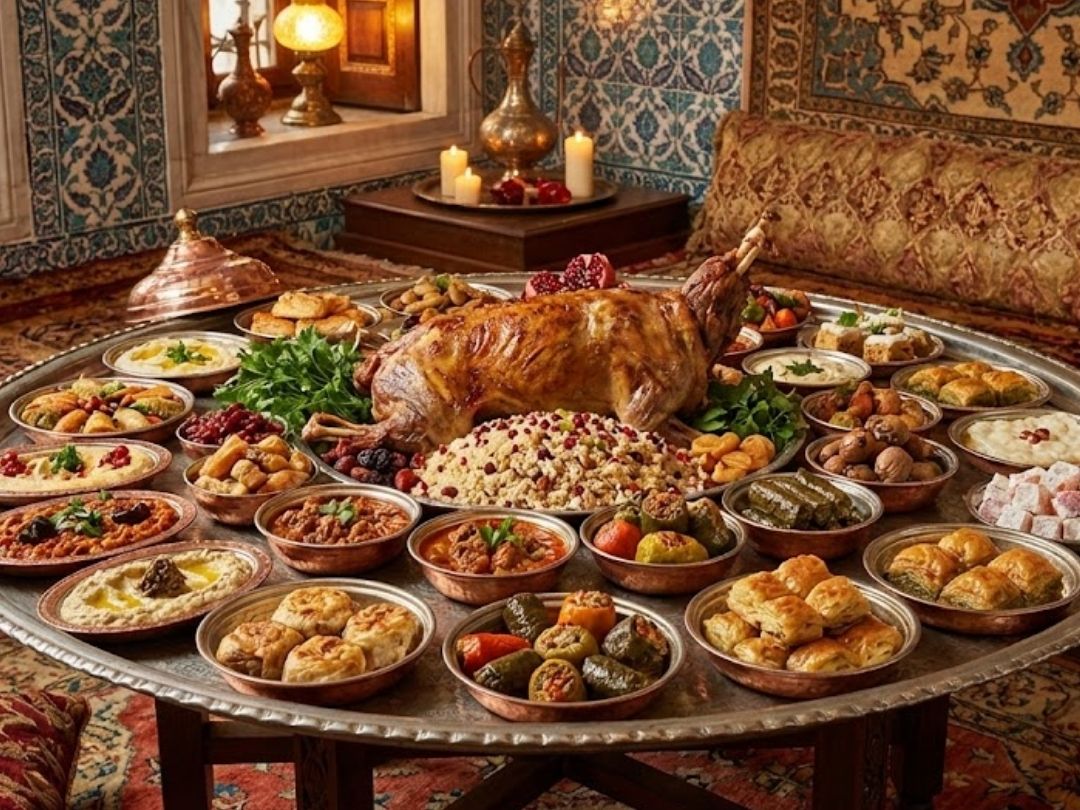
The recipes of the Ottoman Palace were never merely instructions; they were state secrets, passed down through generations of guild apprentices. To cook like an imperial master requires more than ingredients—it requires an understanding of the “Matbah-ı Amire” philosophy, where slow-burning oak charcoal, heavy copper vessels, and the precise timing of seasonal harvests dictated every movement. While our digital archive is currently being meticulously translated from ancient palace ledgers, this space serves as your foundation. Before we share the specific proportions of the Sultan’s favorite stews, we invite you to explore the techniques and the intellectual framework that made Ottoman cuisine the pinnacle of world gastronomy.
Decoding the Imperial Glossary
Before you attempt to recreate the Sultan’s table, you must master the vocabulary of the Matbah-ı Amire. Our recipes rely on sensory milestones—the color of a sunset, the texture of a pearl, or the sound of a crackling fire—rather than cold, clinical numbers.
The Sensory Measure
Göz Kararı: Literally "The Decision of the Eye." This is the cornerstone of Ottoman cooking, where the chef adjusts quantities based on the humidity of the air and the intensity of the flame.
The Texture Milestone
Kulak Memesi: "Ear-lobe Softness." The universal standard for dough consistency in the palace. It describes a texture that is supple, non-sticky, and perfectly elastic.
The Binding Art
Meyane: The Ottoman roux. A sophisticated blend of butter and flour, often toasted until it reaches the precise shade of "hazelnut" to provide body to stews and soups.

Did you know that original Ottoman recipes rarely included precise measurements or timings? Chefs relied on "Göz Kararı" (the decision of the eye) and "Kulak Memesi" (the texture of an earlobe). Cooking was considered a sensory art form where the chef had to listen to the crackle of the butter and feel the resistance of the dough, making every imperial meal a unique, non-replicable masterpiece.
Enrich Your Exploration

Four Seasons:
Bosphorus, Perfected


Garenta: Discover More of Istanbul
the landmarks; experience the
real city. Garenta offers the freedom to discover Istanbul's hidden treasures at your own pace.

The Genesis of Flavor
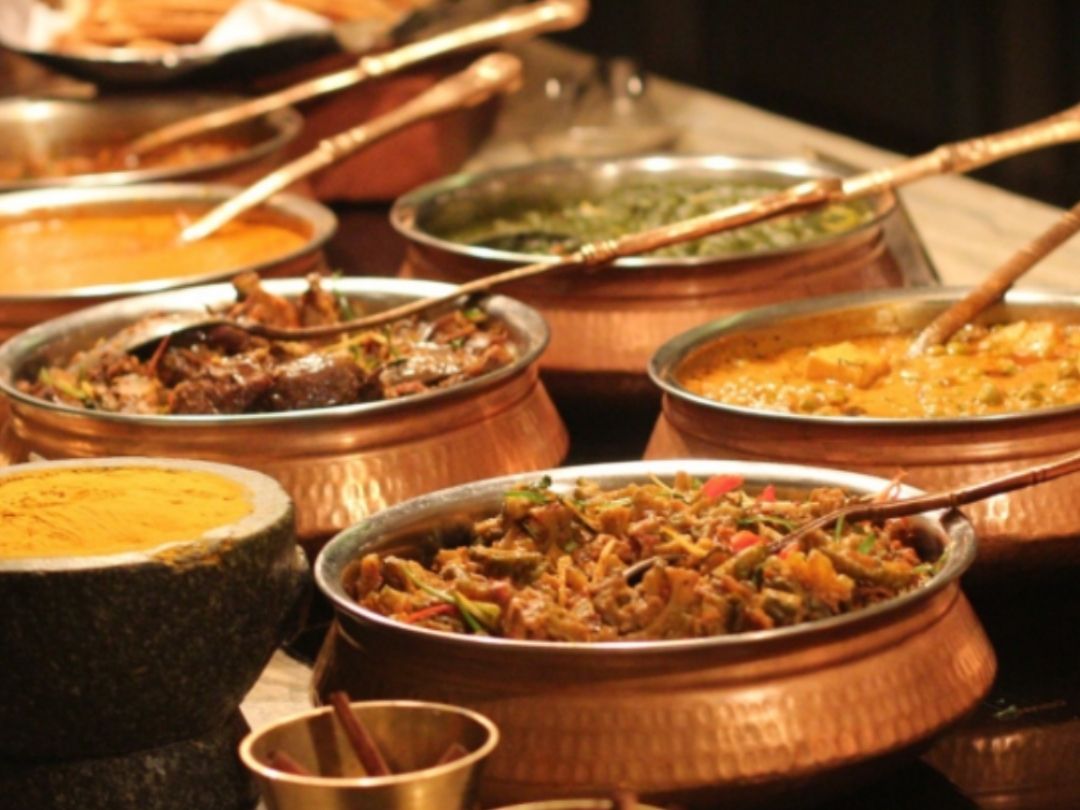
Every recipe we are currently auditing was born within the massive chimneys of the Topkapı Palace kitchens. To understand the recipes, one must first understand the flavors that defined the era. We invite you to explore the foundational tastes that served as the Sultan’s favorites.
The Copper & The Stone
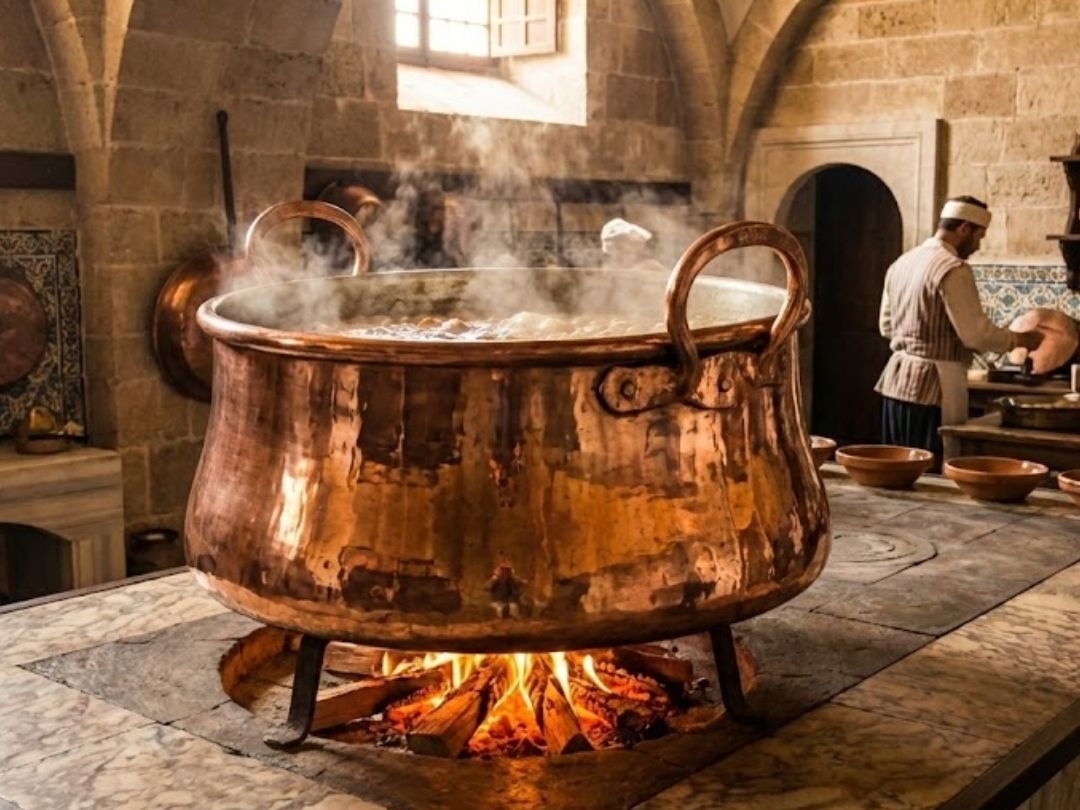
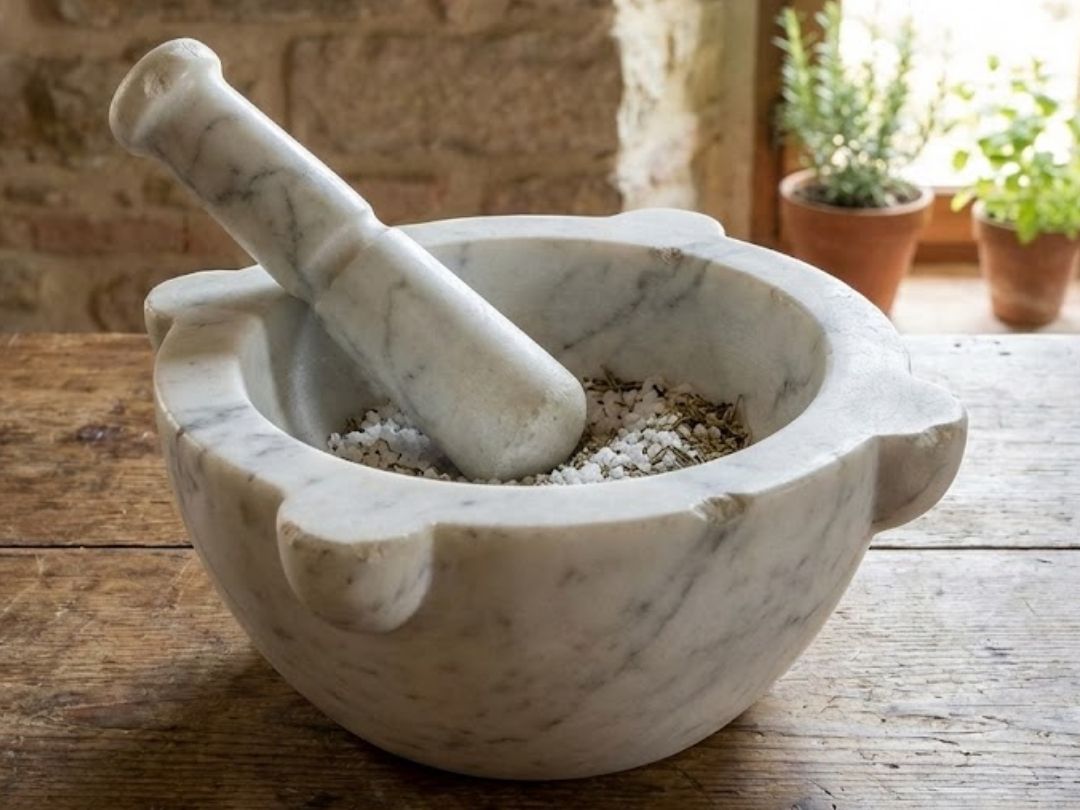
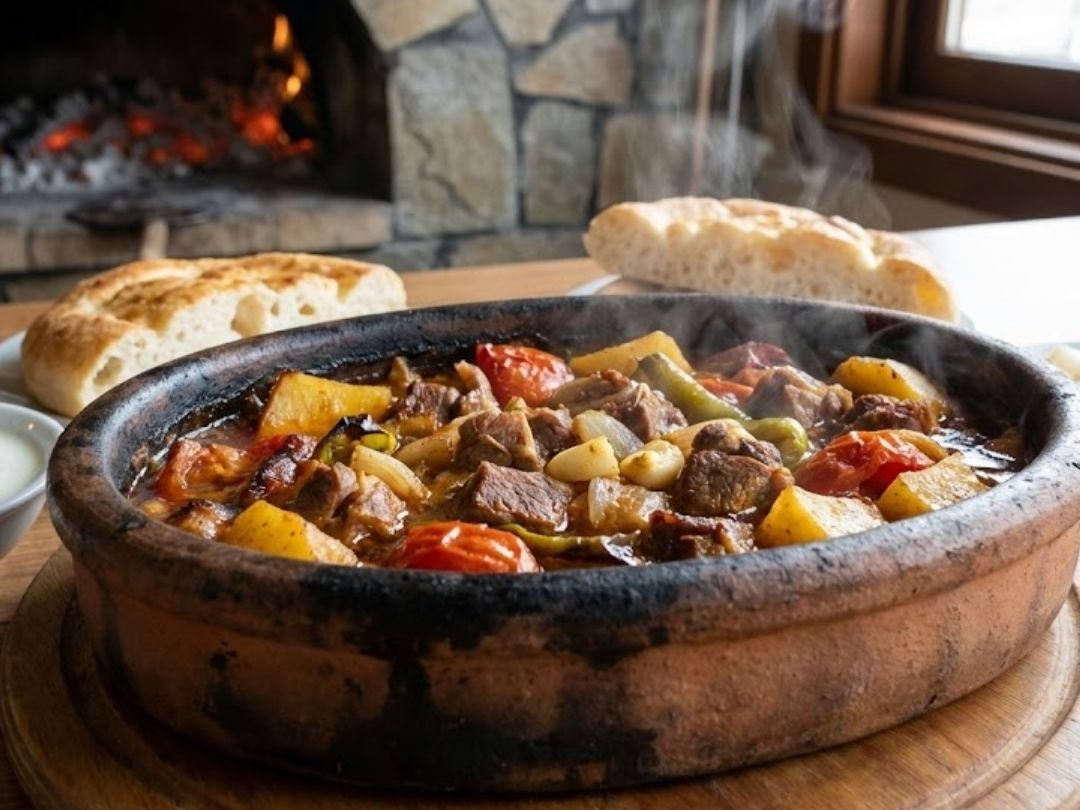
An imperial recipe is only as good as the vessel it is prepared in. The Ottoman kitchen relied on the unique thermal properties of tin-lined copper and the slow, steady heat of earthenware to achieve its signature textures.
Journey with Confidence
Acıbadem Hospitals Group: Global Excellence in Healthcare
While you immerse yourself in the rich history of Istanbul, your well-being is protected by a future-focused healthcare leader. Acıbadem provides world-class medical services, from comprehensive health screenings to advanced treatments, all delivered with a commitment to your safety and comfort.
Travel with the assurance that you and your loved ones are in the most capable hands.

Preserving the Sacred Ledger
"We are currently in the process of auditing over 600 years of culinary data. Translating imperial recipes involves more than just converting old Ottoman units; it requires cross-referencing palace kitchen account books with seasonal harvest records to ensure absolute authenticity. Our mission is to provide you with recipes that are not just 'Ottoman-style,' but are direct descendants of the Sultan’s own table. Stay tuned as we unlock the archive, one dish at a time."
FAQ: Frequently Asked Questions about Palace Recipes
Why are Ottoman recipes so difficult to find in their original form?
Most palace recipes were oral traditions kept within the guild of cooks. Written records were mainly found in kitchen supply ledgers (listing what was bought) rather than cookbooks. Recovering an authentic recipe requires ‘culinary archaeology’—piecing together purchase lists with historical accounts from foreign travelers and court historians.
What kind of cookware is essential for authentic Ottoman results?
Tin-lined heavy copper pots (Kazan) are the soul of this cuisine. Copper provides the even heat distribution necessary for the slow, low-temperature braising that defines imperial stews. For baking, stone ovens and earthenware pots provide the earthy depth that modern steel simply cannot replicate.
Can I substitute modern ingredients in these ancient recipes?
While possible, it changes the ‘DNA’ of the dish. For instance, substituting store-bought vinegar for traditional fermented grape must (Sirkencubin) alters the acidity profile. We recommend sourcing heirloom varieties of fruits and grass-fed fats to stay as close to the 16th-century palate as possible.
What is the significance of "Slow-Cooking" in the palace?
Time was a luxury. Many signature recipes required the “Kül Bastı” method (cooking under the embers) or slow-simmering for 6 to 8 hours. This prolonged heat breaks down tough fibers and allows complex spices like cinnamon and cloves to fully integrate with the fats of the meat.
When will the full recipe database be available?
We are releasing the archive in “Imperial Eras.” We will begin with the 15th-century classics of the Mehmed the Conqueror era, followed by the peak of the 16th-century Suleiman the Magnificent period. Sign up for our newsletter to be notified of the first ledger release.
