


Imperial Rituals
The Choreography of the Sultan’s Table
In the Ottoman Palace, dining was never a casual affair. It was a highly codified ritual, a symphony of silence, respect, and hierarchy that mirrored the structure of the Empire itself. From the specific order in which dishes were presented to the rhythmic washing of hands with rose-scented water, every movement carried deep symbolic weight. At Imperial Rituals, we peel back the layers of these ancient traditions. We explore the world of the <strong>Çeşnigirbaşı</strong> (Master Tasters), the grand banquets held for foreign ambassadors, and the intimate, yet strictly regulated, private meals of the Sultan. This is where the flavor of the food meets the dignity of the dynasty.
The Foundation of Palace Dining
Every gesture at the Sultan’s table was rooted in a centuries-old philosophy that prioritized respect, silence, and order. To truly understand the rituals, one must look at the kitchen’s heart.
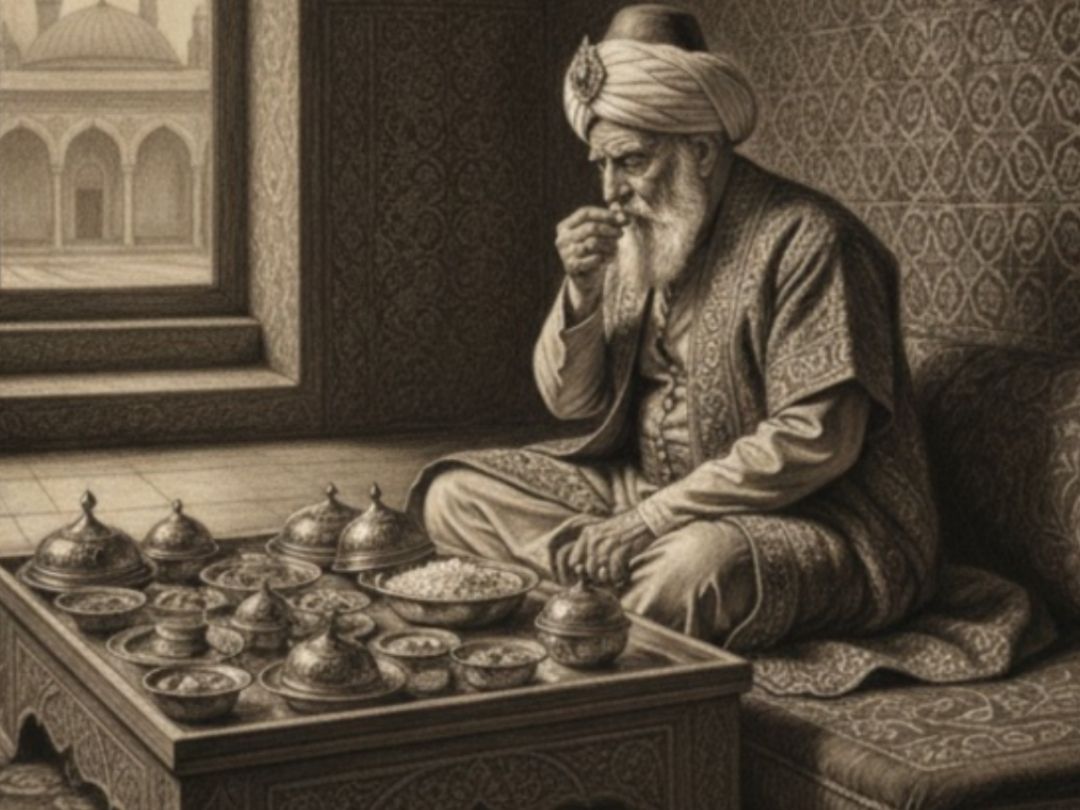

Did you know that during imperial meals, absolute silence was maintained as a sign of respect for the food and the sovereign? In the presence of the Sultan, the only sounds heard were the gentle clink of silver spoons and the rustle of silk robes. Communication was often conducted through subtle gestures or a specialized sign language, ensuring that the act of dining remained a solemn, meditative, and regal experience.
Enrich Your Exploration

Four Seasons:
Bosphorus, Perfected


Garenta: Discover More of Istanbul
the landmarks; experience the
real city. Garenta offers the freedom to discover Istanbul's hidden treasures at your own pace.

The Shift to the West
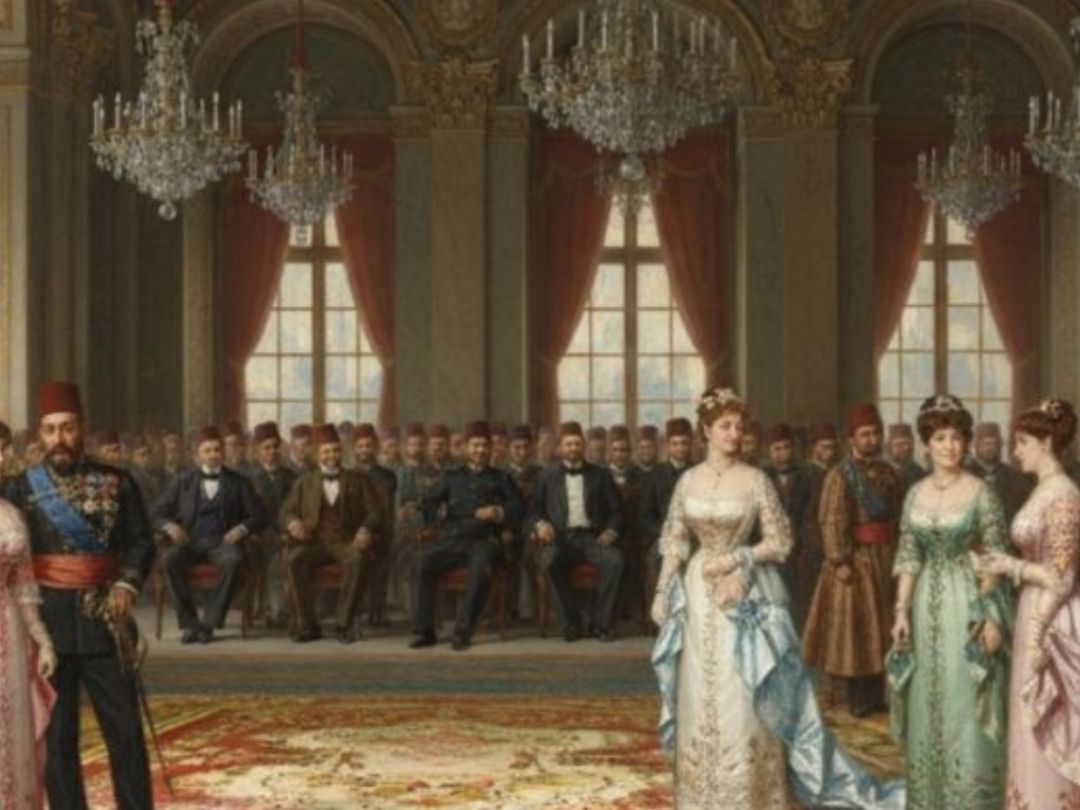
As the Empire evolved, so did its table. Explore the fascinating transition from the communal ‘Sini’ trays to the grand European-style banquet halls of the 19th century.
Coffee, Scent, and Hospitality
Discover the story of the most celebrated dish in the imperial repertoire—a smoky eggplant purée crowned with tender slow-cooked lamb.
The Aromatic Conclusion
"The conclusion of an imperial banquet was signaled by a shift from the culinary to the atmospheric. First came the Turkish Coffee, prepared in copper 'cezve' and served in jewel-encrusted 'zarf' holders. This was followed by the burning of precious agarwood and the sprinkling of rose water—a ritual meant to cleanse the air and the spirit. It was the Empire's way of saying that while the hunger was satisfied, the hospitality remained eternal."
Journey with Confidence
Acıbadem Hospitals Group: Global Excellence in Healthcare
While you immerse yourself in the rich history of Istanbul, your well-being is protected by a future-focused healthcare leader. Acıbadem provides world-class medical services, from comprehensive health screenings to advanced treatments, all delivered with a commitment to your safety and comfort.
Travel with the assurance that you and your loved ones are in the most capable hands.

Decorum Beyond the Dish
"To understand Ottoman cuisine, one must move beyond the palate and look at the 'Adab'—the refined code of conduct. The rituals of the palace table were designed to remind every participant of their place in the cosmic and social order. Whether it was the silver 'İbrik' used for ritual ablution before eating or the 'Sini' around which the elite gathered, every object was an instrument of prestige. Our curation here focuses on these forgotten gestures, for it is the ritual that transforms a meal into a legacy."
FAQ: Frequently Asked Questions about Imperial Rituals
Why was hand-washing such an elaborate ritual before and after meals?
In Ottoman culture, cleanliness was both a religious requirement and a social grace. The İbrik (ewers) and Leğen (basins) used for hand-washing were often masterpieces of metalwork. A servant would pour warm, rose-infused water over the guests’ hands, symbolizing a transition from the mundane world to the sacred act of sharing a meal.
What was the role of the 'Çeşnigirbaşı' (Master Taster) at the Sultan's table?
The Master Taster held one of the most trusted positions in the palace. His primary duty was to taste every dish before it reached the Sultan to ensure it was not poisoned. Over time, this evolved into a high-status role managing the entire logistics and ceremonial flow of the imperial dining experience.
How was seating arranged during grand imperial banquets?
Seating was a precise map of power. The Sultan usually dined alone on a raised platform or behind a screen. For banquets, guests were seated around circular Sini (trays) according to their rank. The closer you were to the center of the hall, the higher your status in the eyes of the Caliphate.
What is the meaning behind serving coffee and incense after a meal?
The end of a meal was signaled by the arrival of Turkish coffee and the burning of expensive incense (often agarwood or ambergris). This was the ‘Closing Ritual,’ meant to aid digestion and leave the guests in a state of aromatic bliss, signifying that the period of formal hospitality had reached its peak.
Did the Ottomans use forks and knives in the palace?
For most of the empire’s history, the primary utensils were delicate spoons (made of ivory, tortoiseshell, or coral) and the first three fingers of the right hand, using bread as a scoop. European-style forks and knives only entered the palace rituals during the 19th-century Westernization period, starting with the reign of Sultan Mahmud II.
