


Signature Dishes
The Culinary Hall of Fame
In the Imperial Kitchens of the Ottoman Empire, culinary excellence was a requirement, not an option. These Signature Dishes represent the pinnacle of centuries of refinement, where the finest ingredients from three continents were harmonized by the master chefs of the palace. Each dish in this collection has earned its place through history—some as favorites of the Sultans, others as legendary offerings to foreign monarchs. Explore the stories, the complex techniques, and the timeless flavors of the empire’s most celebrated creations.
The Sultan's Favorites
The culinary repertoire of the Ottoman Palace was not merely a collection of recipes, but a sophisticated language of diplomacy, power, and cultural synthesis. Each signature dish served to the Sultan was the result of weeks of preparation and centuries of refinement within the Matbah-ı Amire. These iconic plates represent a world where the savory richness of slow-cooked meats was daringly balanced with the delicate sweetness of sun-dried fruits from the far reaches of the empire, and where rare spices like saffron and musk were used with surgical precision to create aromas that were as important as the taste itself. To understand these dishes is to understand the soul of an empire that commanded three continents and fused their finest ingredients into a singular, imperial gastronomic identity.

Hünkar Beğendi
The "Sultan's Delight": Slow-cooked lamb served on a bed of creamy, smoked eggplant purée.
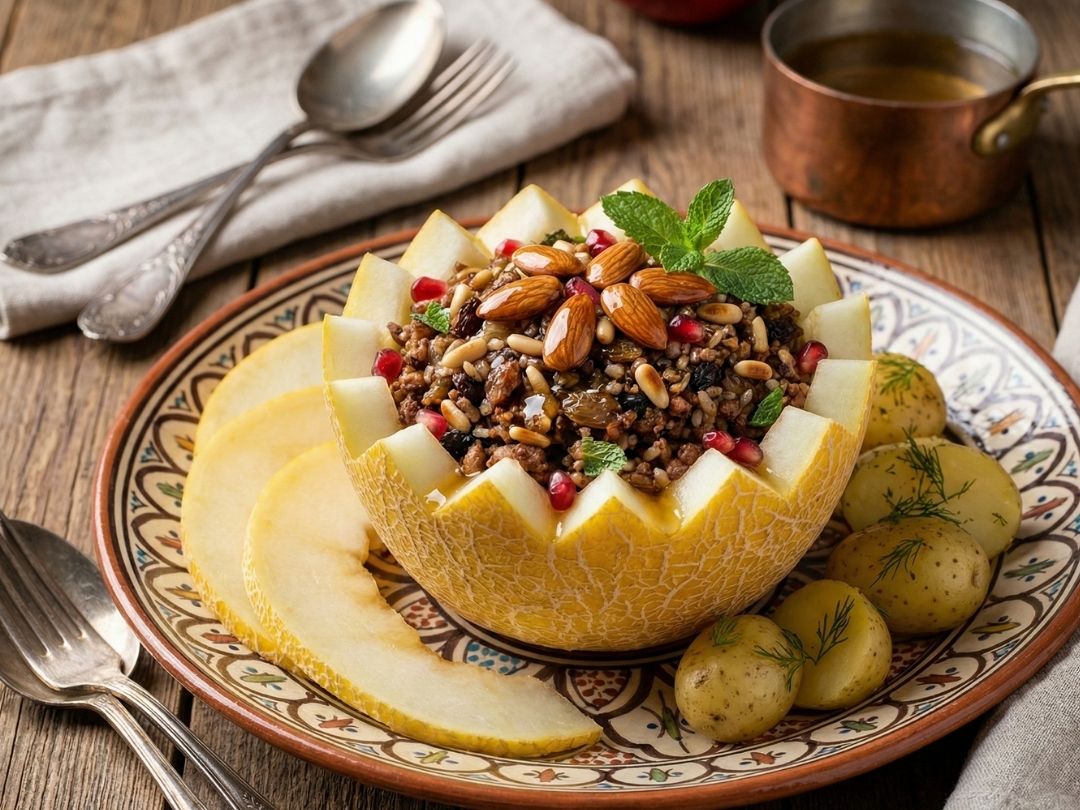
Stuffed Melon (Kavun Dolması)
A majestic 1464 recipe combining sweet melon with savory minced meat, almonds, and currants.
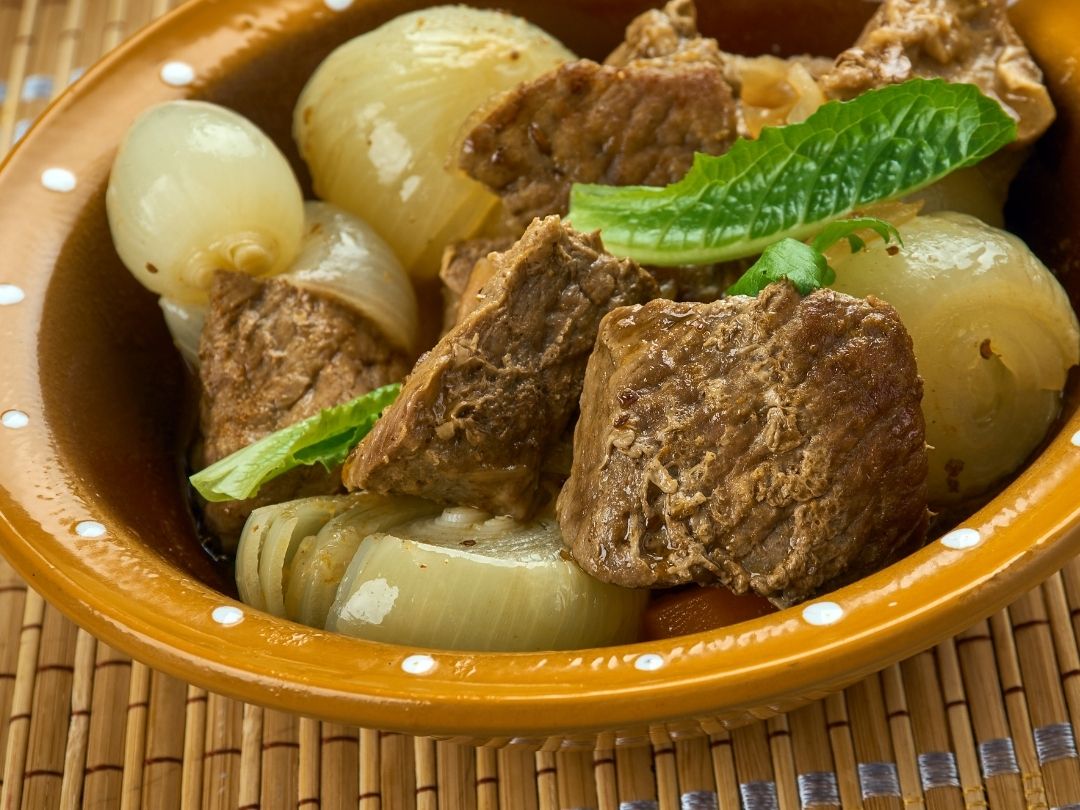
Mutancana
A sophisticated stew of lamb enriched with dried apricots, figs, and honey.

Did you know that to be promoted to a head chef in the Palace, a cook had to master the simple *Plain Rice Pilaf*? While it sounds basic, achieving the perfect texture where every grain is separate yet tender was considered the ultimate test of patience and mastery in the Imperial Kitchen.
Enrich Your Exploration

Four Seasons:
Bosphorus, Perfected


Garenta: Discover More of Istanbul
the landmarks; experience the
real city. Garenta offers the freedom to discover Istanbul's hidden treasures at your own pace.

The Fire and the Ash
At the heart of many Ottoman signature dishes lies a fundamental mastery of fire and smoke, a technique known as Söğürme. Unlike modern grilling, the imperial chefs utilized the dying embers of oak charcoal to slowly char vegetables—most notably the eggplant—directly in the ash. This process does not merely cook the ingredient; it chemically transforms it, infusing the flesh with a deep, mineral smokiness that provides the essential counterpoint to the rich fats of the Sultan’s meats. Mastering this balance between the raw power of the flame and the delicate texture of the resulting purée was the hallmark of a True Master Chef in the Matbah-ı Amire. This section explores the ancient methods of heat control that allowed palace kitchens to produce textures so refined they were often compared to silk by visiting European dignitaries.
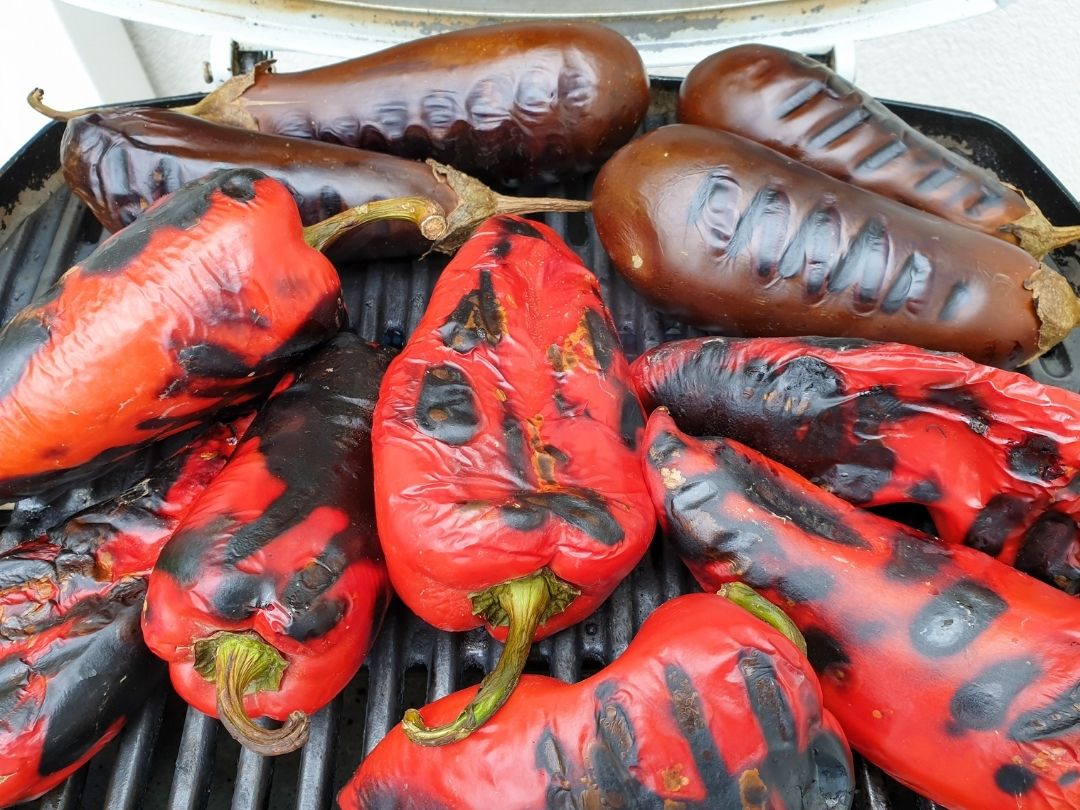
The Secrets of the Imperial Hearth
Learn about the sophisticated use of varying charcoal types and the ancient 'Ash-Cooking' method that gave birth to the empire's most smoked and savory delicacies.
The Sacred Sanctuary of Sugar and Health
In the grand hierarchy of the Topkapı Palace kitchens, the Helvahâne held a position of mystical and physical importance. This was not merely a pastry shop; it was a sophisticated laboratory where master confectioners, often working alongside the palace physicians, crafted more than just desserts. Here, the legendary Ottoman sherbets—infused with tamarind, hibiscus, and sandalwood—were brewed to balance the humors of the body, and the intricate ‘macun‘ pastes were prepared with dozens of spices to serve as both luxury treats and medicinal elixirs. The Helvahâne was responsible for the sultan’s legendary halvas, which were served during high-stakes diplomatic negotiations and religious festivals, symbolizing the sweetness and power of the empire. Understanding the techniques of the Helvahâne is essential to comprehending how the Ottomans used sugar not just for pleasure, but as a tool of statecraft and holistic well-being.
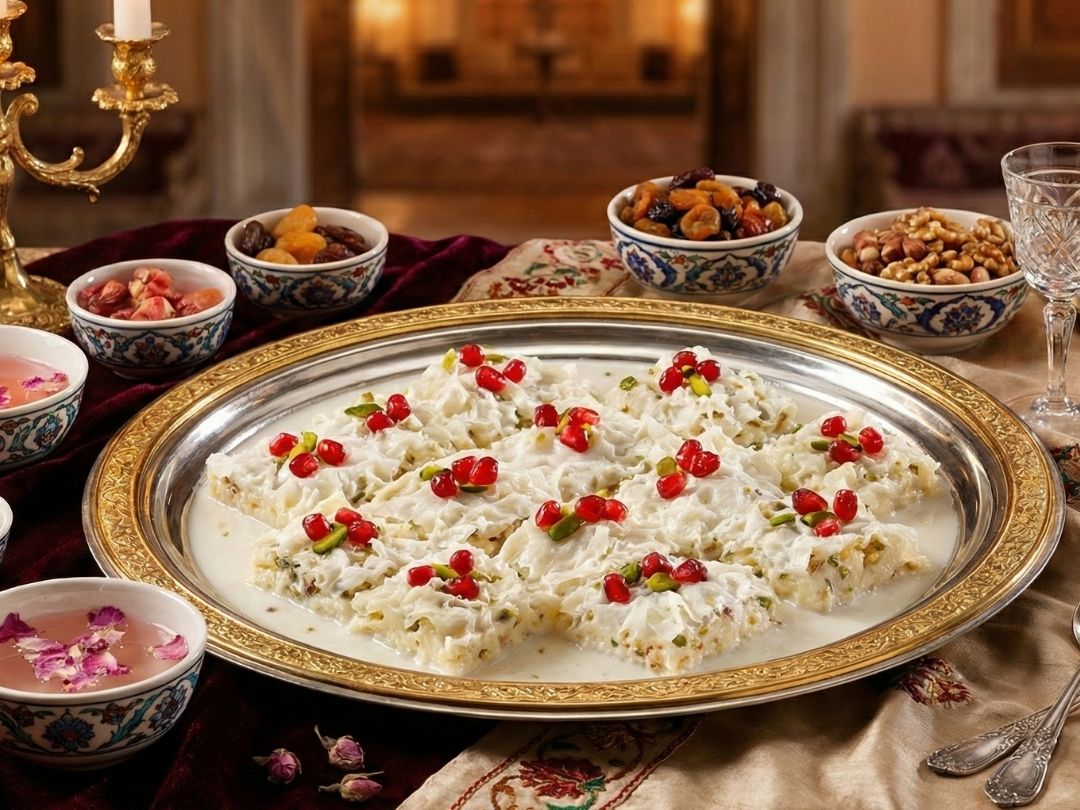
Güllaç: The Rose-Scented Cloud
A celestial dessert made from thin cornstarch wafers soaked in milk and rose water, layered with walnuts, and topped with pomegranate seeds—a masterpiece of lightness and aromatic elegance dating back to the late 15th century.
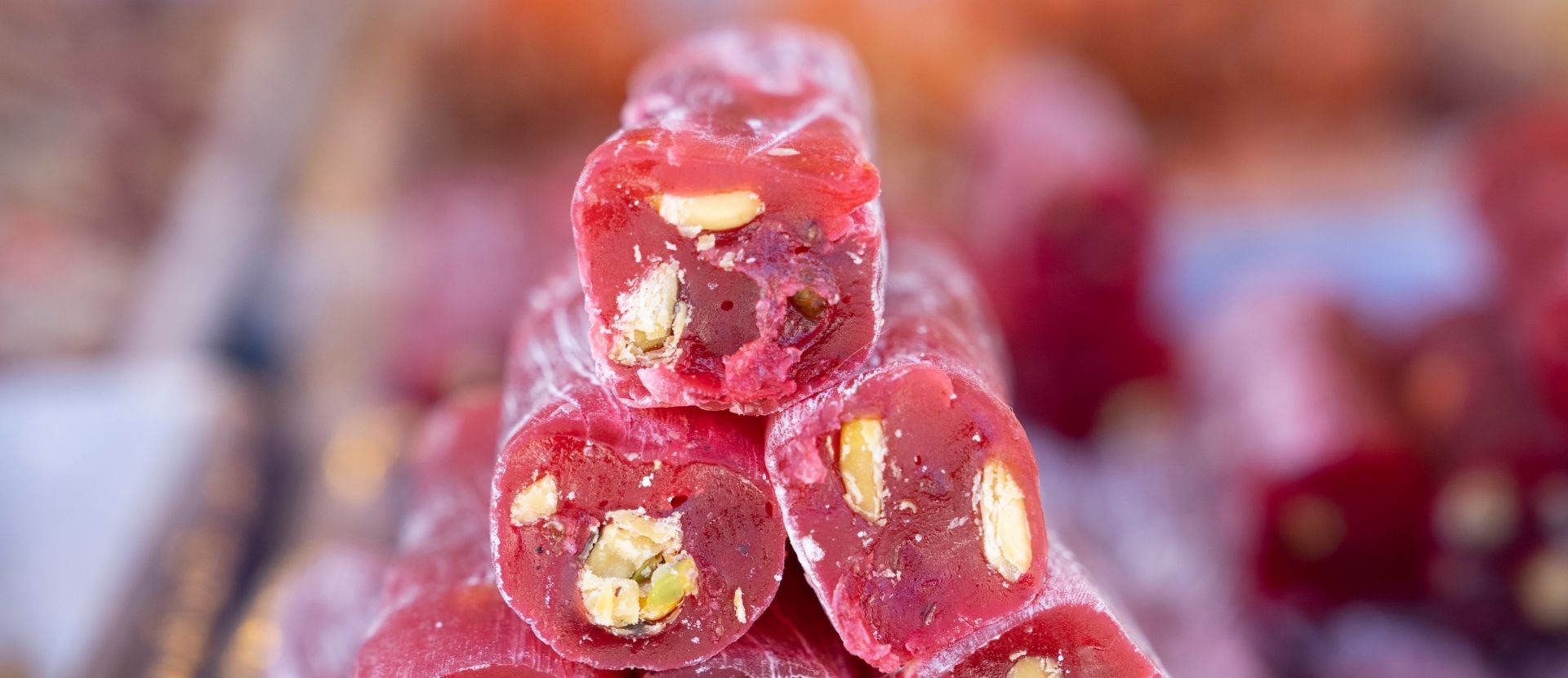
Turkish Delight (Rahat-ul Hulkum)
Literally "Comfort of the Throat," this iconic confectionery was refined in the palace to achieve its legendary velvet texture. Infused with bergamot, mastic, or rose, it remains the ultimate symbol of Ottoman hospitality and culinary finesse.
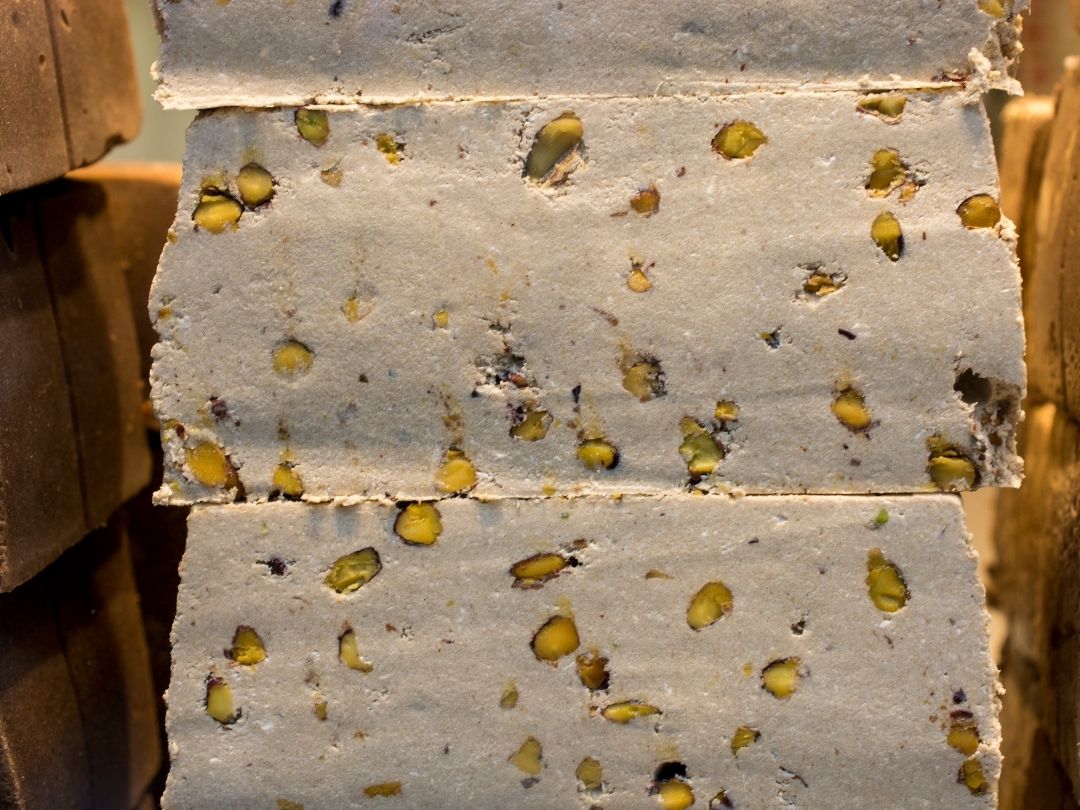
Helva-i Hakani
Known as the "Halva of Sovereignty," this dense and rich masterpiece combines honey, starch, and clarified butter. It was traditionally prepared and served during the most significant imperial ceremonies and accessions.
Journey with Confidence
Acıbadem Hospitals Group: Global Excellence in Healthcare
While you immerse yourself in the rich history of Istanbul, your well-being is protected by a future-focused healthcare leader. Acıbadem provides world-class medical services, from comprehensive health screenings to advanced treatments, all delivered with a commitment to your safety and comfort.
Travel with the assurance that you and your loved ones are in the most capable hands.

A Note from the Curator
"To approach Ottoman signature dishes as mere recipes is to miss the architecture of a civilization. Our curation on this page is designed to showcase the 'Imperial Synthesis'—the unique moment in history when the spice routes of the East met the fresh produce of the Mediterranean. When you explore a dish like the Stuffed Melon, you are not just tasting a 15th-century luxury; you are experiencing the intellectual curiosity of the palace, which dared to blur the lines between the orchard and the hearth. We invite you to view these plates as edible documents of a time when the table was the ultimate stage for the empire’s grandeur."
FAQ: Frequently Asked Questions about Ottoman Cuisine
Why are many Ottoman signature dishes named after historical figures or events?
Names like Hünkar Beğendi (The Sultan Liked It) or İmambayıldı (The Imam Fainted) reflect the anecdotal and story-driven nature of Ottoman culture. These names serve as oral archives, marking either the high approval of a ruler, a significant diplomat’s visit, or the sheer sensory impact a dish had on a prominent figure, ensuring the recipe’s survival through storytelling.
How did the palace chefs manage to balance fruit and meat without making the dish a dessert?
The secret lay in the use of ‘acidic balancers.’ Chefs used ingredients like vinegar, lemon juice, or sour pomegranate molasses to cut through the sugar of the dried fruits (apricots, plums, raisins) and the fat of the lamb. This created a complex, multi-layered flavor profile where the fruit acted more as a spice or a textural contrast rather than a sweetener.
What was the significance of 'Clarified Butter' (Sade Yağ) in signature recipes?
Sade Yağ was considered the soul of the dish. By removing the milk solids and water from butter, chefs created a pure fat with a very high smoke point and a deep, nutty aroma. This allowed for the long, slow braising processes required for signature stews without the fat burning or becoming bitter, giving the dishes their characteristic imperial sheen.
Were these signature dishes available to the common people during the empire?
Generally, no. Many of these dishes required rare, expensive ingredients (like saffron, musk, or out-of-season fruits) and labor-intensive techniques that were only possible with the massive staff of the Matbah-ı Amire. While some simplified versions trickled down to public soup kitchens or wealthy estates, the ‘True Signature’ versions remained exclusive to the Sultan’s table.
How can a modern home cook replicate the 'Smoky' flavor of authentic palace dishes?
While the Ottomans used specialized charcoal pits, you can replicate this at home by charring eggplants or peppers directly over a gas flame until the skin is completely blackened and flaky. The key is to let the vegetable sit in its own steam for a few minutes before peeling, which allows the carbonized aroma of the skin to deeply penetrate the flesh, mimicking the ancient ash-cooking method.
